 Denver DUI Attorney Blog


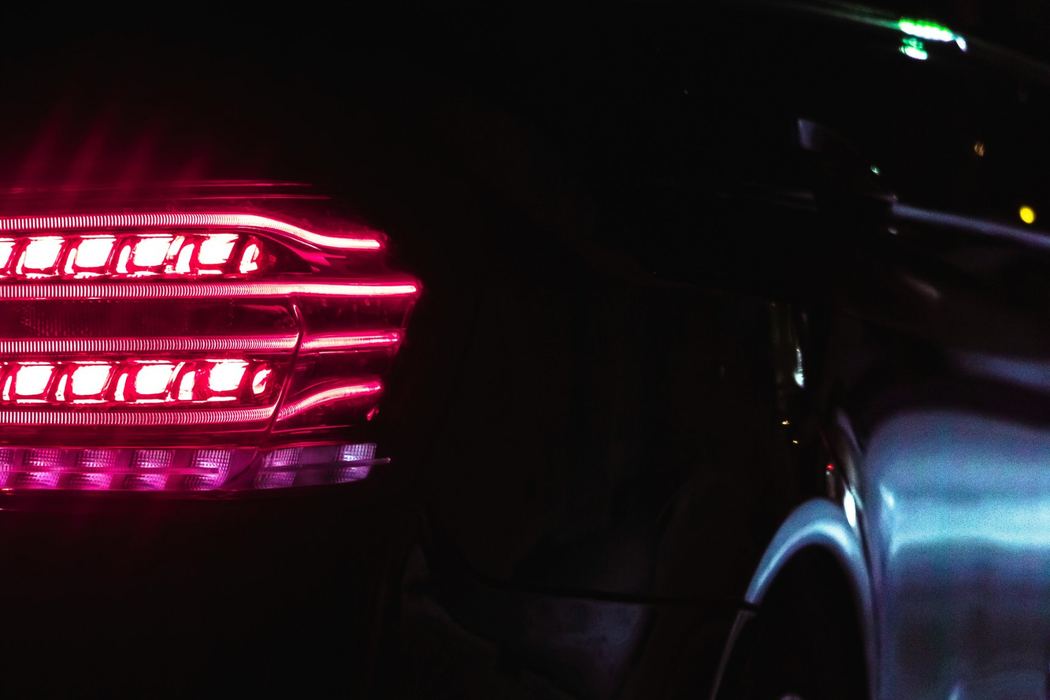
Under Denver police policy, a taillight out is generally a low-level violation.
Since May 2024, the Denver Police Department has had a policy that limits traffic stops for minor violations, things like an expired plate, a taillight out, or a cracked windshield. Most drivers have heard something about it. Fewer know what it actually says, or what it means if you were pulled over anyway.
I’m Monte Robbins, and I’ve defended traffic and DUI cases in Denver for more than 20 years. Here’s what the policy says, what it doesn’t, and why it can still matter in your case.
Worth knowing before we start: this is a police department policy, not a constitutional rule. A stop that breaks the policy isn’t automatically an illegal stop, and it doesn’t automatically get a case dismissed. But it can raise real questions, and those questions are worth asking.
What Is a “Low-Level” Traffic Stop?
The DPD Operations Manual defines low-level traffic stops as minor traffic infractions that do not pose an immediate threat to public safety. Common examples include:
- An expired registration
- A taillight, brake light, or headlight out
- A cracked windshield or heavy window tint
- An obscured license plate
- Something hanging from the rearview mirror
Under the policy, Denver officers are told to prioritize high-risk driving instead: reckless driving, DUI, speeding, running red lights, and other driving that puts people in danger.
When Can Denver Police Still Make a Low-Level Stop?
The policy isn’t a total ban. A Denver officer can still make a low-level stop when they have articulable information, in addition to the traffic violation, about a serious crime, meaning a crime with potential for bodily injury. The manual lists examples:
- Driving under the influence
- Reckless driving or street racing
- Hit-and-run
- Guns and gun violence
- Burglary
- Dangerous drugs
- A stolen vehicle
- Any other similarly serious crime
That extra information doesn’t have to rise to the level of reasonable suspicion, and the officer can rely on training and experience to explain it.
The officer has to write it down. When a low-level stop is made, the manual requires the officer to explain in detail in the report or street check why the stop was necessary. The manual gives examples: crime trends in the area, a vehicle matching a suspect description, registration expired long enough to suggest a stolen car, or a dark area with documented drug activity.
Safety violations are always fair game. Any moving violation that could cause a crash or injure a pedestrian, like running a red light, rolling a stop sign, or driving erratically, is still a valid reason to stop you. So is speeding. And if you’re stopped for something serious, you can still be ticketed for the minor things too.
The Chief of Police can also authorize planned operations aimed at low-level offenses.
Policy vs. the Constitution
This is the part most people get wrong.
Under the U.S. Supreme Court’s decision in Whren v. United States (1996), if an officer has probable cause to believe you committed any traffic violation, no matter how minor, the stop is generally valid under the Fourth Amendment, even if the officer’s real reason was something else. That’s what’s often called a “pretext stop.”
Denver’s policy goes further than the Constitution requires. It limits what Denver officers are supposed to do, but it doesn’t change the constitutional rule. So a stop for an expired plate, with nothing else, may break DPD policy and still be constitutional.
What happens when an officer breaks the policy? The manual spells out discipline for the officer: an oral reprimand for a first violation in 12 months, a written reprimand and an Internal Affairs audit of the officer’s stop history for a second, and a fined day for a third. It doesn’t say the case gets thrown out.
As of mid-2026, Denver City Council was also considering writing the policy into city law, which would make it harder for a future police chief to undo.
Why It Can Still Matter in Your Case
Even if the policy doesn’t win a case on its own, it can matter in practical ways:
- Credibility. If the report claims a reason for the stop, the body cam and other evidence should back it up. A reason that shows up for the first time in the report, or doesn’t match the video, is worth a hard look.
- The real reason for the stop. If the officer says it was a safety violation, like a lane violation or a rolling stop, does the video actually show it?
- What happened after the stop. This is where the Constitution has more to say. See the next section.
- Negotiations. A stop that doesn’t follow the department’s own rules can be a fair point to raise with the prosecutor.
How Long Can a Denver Traffic Stop Last?
Here the policy and the law line up. The DPD manual says an officer’s actions during any stop, including questioning, searches, and handcuffing, must be limited to the original reason for the stop, unless the officer develops reasonable suspicion or probable cause of a crime.
That tracks the U.S. Supreme Court’s decision in Rodriguez v. United States (2015), which held that, absent reasonable suspicion, police can’t extend a traffic stop to conduct a dog sniff. A stop is supposed to last as long as it takes to handle the ticket, and no longer, unless something new comes up.
This is where many cases are actually won or lost: not the stop itself, but what the officer did once you were pulled over.
What Denver Officers Are Supposed to Do at a Stop
The same section of the manual sets out how officers should handle a traffic stop:
- Tell you why you were stopped, including any underlying reason, such as a missing plate on a car that also matches a suspect vehicle. There’s an exception if telling you would endanger someone or an investigation.
- Ask for your license, registration, and proof of insurance.
- Insurance on your phone: you can show it on your phone. The officer may view only the insurance information you show, and may not open apps or look at anything else without your consent or a warrant. If you’ve shown proof of insurance on your phone, declining to let the officer take your phone back to the patrol car isn’t a failure to provide insurance.
- Be courteous, return your documents, and tell you when you’re free to go.
My advice at any stop: stay calm, be polite, keep your hands visible, and hand over your license, registration, and insurance. If you want to know why you were stopped, it’s fine to ask politely. Save any argument for later, when you have a lawyer and the video.
What I Check
If you were pulled over in Denver and charged with something, here’s what I look at:
- The stated reason for the stop. Was it a low-level violation, a safety violation, or both?
- The written explanation. For a low-level stop, did the officer explain in detail why it was necessary, as the manual requires?
- The body cam. Does the video show the violation, and does it match the report? See my page on Colorado body-worn camera evidence.
- The timeline. How long did the stop last, and when did it turn into something else?
- Questions and searches. Did they stay within the reason for the stop, or was there consent, reasonable suspicion, or probable cause to go further?
If the stop led to a DUI arrest, see my post on whether your Denver DUI arrest followed the DPD manual.
Frequently Asked Questions
Can Denver police pull me over for expired tags? Under DPD policy, an expired registration by itself is generally a low-level violation. Officers need additional information about a serious crime to make that stop, though a registration expired for a long time can be one of the reasons they point to, since it can suggest a stolen car.
Can I get a ticket for a broken taillight in Denver? Yes. If you’re stopped for something else, like speeding, the officer can still ticket you for the taillight too.
If an officer broke the policy, will my case be dismissed? Not automatically. The policy is a department rule, and the manual’s consequence is officer discipline. But it can still matter for credibility, for what happened after the stop, and in negotiations.
Do Denver police have to tell me why they pulled me over? DPD policy says officers will tell you the reason for the stop, including any underlying reason, with limited exceptions for safety or an ongoing investigation.
Does this policy apply in Aurora, Lakewood, or other cities? No. This is a Denver Police Department policy. Other cities, the county sheriffs, and the Colorado State Patrol have their own policies.
Pulled Over in Denver and Charged?
If a traffic stop in Denver led to a criminal traffic charge, a DUI, or another case, the reason for the stop and everything that followed is worth a close look. Call me at 303-355-5148 for a free consultation. You’ll talk with me, not an intake team. Learn more on my Denver traffic lawyer page.
More in this series: Denver speeding ticket points · Reporting a car accident in Denver · Denver photo radar and red light camera tickets