 Denver DUI Attorney Blog


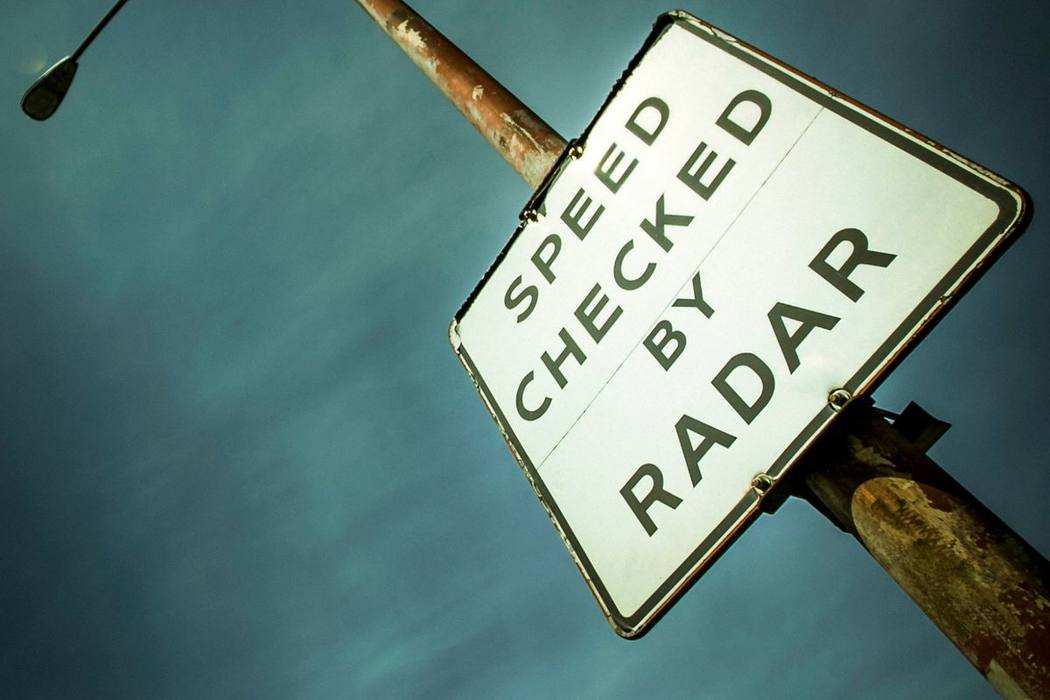
Denver photo radar tickets carry no points and aren’t reported to the DMV, but they still need a response.
A Denver photo radar ticket shows up in the mail days or weeks after you drove past a van you may not have noticed. The good news: these tickets work very differently from a ticket handed to you by an officer. The bad news: ignoring one can turn a $40 fine into a court case.
I’m Monte Robbins, a Denver traffic and criminal defense attorney with more than 20 years of experience. Photo tickets are one of the few traffic tickets most people can handle on their own, so this guide walks you through doing exactly that.
No Points, and Not Reported to the DMV
This is the most important thing to know. Under Colorado law, photo radar and red light camera tickets carry no points, and the city does not report them to the DMV. They won’t count toward a license suspension.
That’s very different from a speeding or red-light ticket written by an officer at the scene, which does carry points.
How Much Is a Denver Photo Ticket?
Denver’s posted fines:
| Violation | Fine |
|---|---|
| Photo speed, residential street or street bordering a park | $40 |
| Photo speed, school zone or work zone | $80 |
| Red light camera, “through” violation (rear tires past the stop line) | $75 |
| Red light camera, stop-bar violation (front tires past the stop line) | $40 |
State law caps these fines. A personal service fee of at least $29 is added if the city has to serve you in person.
Colorado’s photo enforcement law also includes a rule that a first photo speeding violation of less than 10 mph over the limit may be treated as a warning, with no fine. If this is your first photo ticket and it’s under 10 over, ask about it when you respond.
Where Denver Uses Photo Enforcement
Photo speed vans. Denver runs five photo speed vans, seven days a week, in two shifts from 6:00 a.m. to 9:30 p.m. They’re used on residential streets posted at 35 mph or less, on streets bordering parks, and in school and work zones. When school is in session, school zones are the priority.
Red light cameras. Denver currently has four camera-equipped intersections, monitored 24/7:
- 6th Avenue & Kalamath Street (eastbound)
- 6th Avenue & Lincoln Street (eastbound)
- 8th Avenue & Speer Boulevard (westbound)
- 36th Avenue & Quebec Street (northbound)
Coming next: speed cameras on major streets. Under Denver’s SPEED program, speed safety cameras are being installed along Federal Boulevard and Alameda Avenue in 2026, with Colorado Boulevard next. More cameras will likely mean more of these tickets.
The Timeline: From Notice to Court
- Notice of Violation. It’s mailed to the vehicle’s registered owner. State law requires it to go out within 30 days of the violation for Colorado vehicles (60 days for out-of-state vehicles). Denver asks you to respond within 15 days.
- Penalty Assessment Notice. If you don’t respond within about 45 days, Denver can serve a Penalty Assessment Notice in person or by certified mail, with a service fee of at least $29. This is a legal charging document.
- Your respond-by date is your arraignment date. To plead not guilty, you go to Denver County Court, Room 135, by 5:00 p.m. on that date.
- If you ignore it, a default judgment can enter and the debt can go to collections.
What If You Weren’t Driving?
The notice goes to the registered owner, not necessarily the driver. If the person in the photo isn’t you, you can sign the Not Pictured Driver Affidavit on the back of the notice. You can name the driver, but you’re not required to.
Should You Fight It or Pay It?
Because there are no points, paying is often the simplest answer. But some tickets are worth a closer look:
- You weren’t the driver, and the photo doesn’t show you.
- It’s your first photo speeding ticket and less than 10 mph over. Ask whether it should be a warning.
- The notice came late, outside the state’s 30-day window (60 for out-of-state vehicles).
- The setup may have been off. Denver says a “Photo Radar In Use” sign must be posted 300 feet before the van, the radar is calibrated before and after each deployment, and the agent in the van must visually estimate your speed within 5 mph before a ticket can issue.
For a $40 ticket with no points, hiring a lawyer usually costs more than the ticket itself, so I generally don’t take photo radar or red light camera cases. If one of the issues above applies, you can raise it yourself at the hearing.
When It’s Not Just a Camera Ticket
Camera tickets don’t cover speeding 25 mph or more over the limit. At that speed, it’s a criminal traffic offense, and you’d get a real summons from an officer, with points and a court date. A ticket handed to you by an officer is a different matter, too. See my Should I Just Pay My Denver Traffic Ticket? post, and my Denver traffic lawyer page for how Denver traffic court works.
Frequently Asked Questions
Do Denver photo radar tickets put points on my license? No. Colorado law bars points for photo radar and red light camera violations, and they aren’t reported to the DMV.
How much is a Denver photo radar ticket? $40 on residential streets and streets bordering parks, $80 in school and work zones. Red light camera tickets are $75 for a through violation and $40 for a stop-bar violation.
Do I have to pay a photo radar ticket from Denver? Yes, or respond to it. If you ignore it, Denver can serve a Penalty Assessment Notice with an added fee, and a default judgment can enter.
What if someone else was driving my car? You can sign the Not Pictured Driver Affidavit on the back of the notice.
Where are Denver’s red light cameras? 6th & Kalamath (eastbound), 6th & Lincoln (eastbound), 8th & Speer (westbound) and 36th & Quebec (northbound).
Got a Ticket From an Officer?
That’s a different story. A ticket handed to you by a police officer can carry points, raise your insurance, and in some cases mean a criminal court date. If an officer wrote you a ticket in Denver, call me at 303-355-5148 for a free consultation. You’ll talk with me, not an intake team.