 Denver DUI Attorney Blog


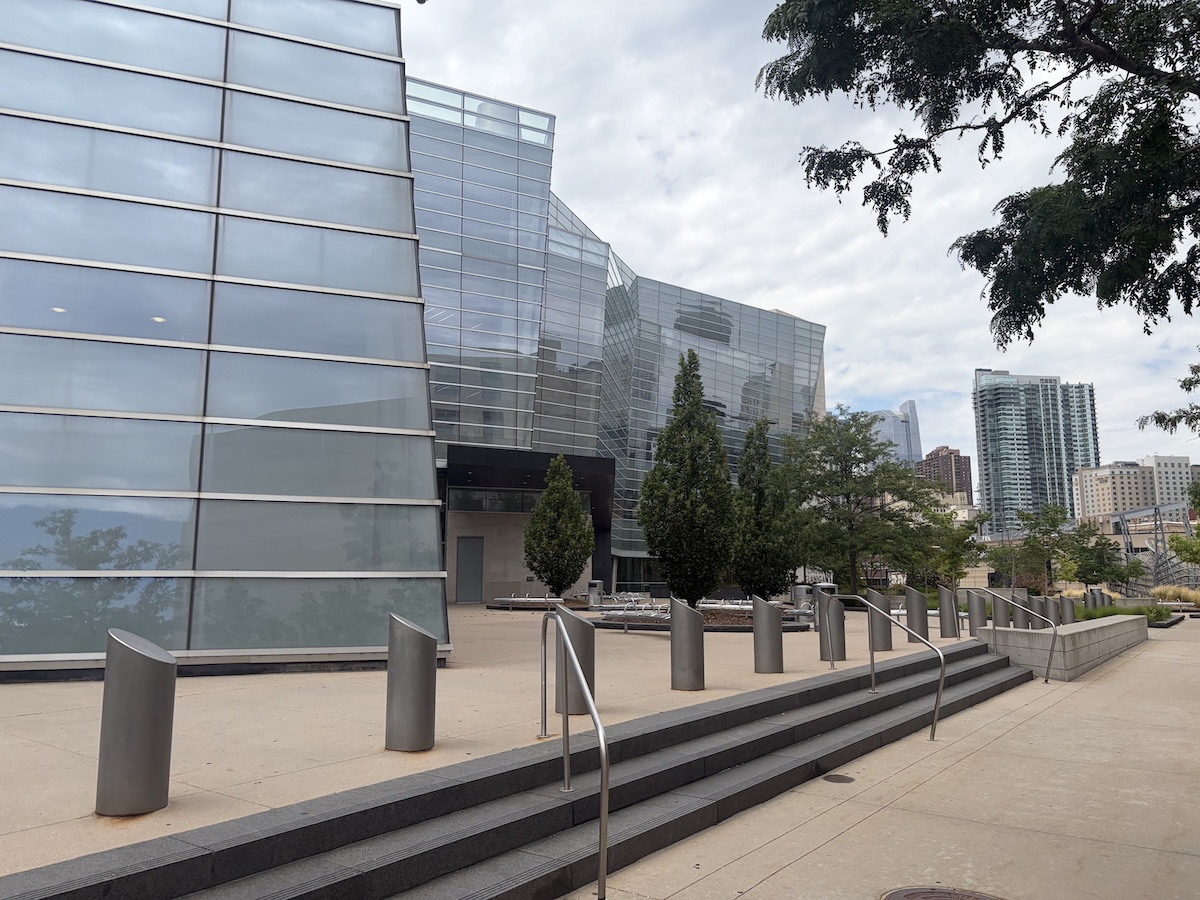
The Lindsey-Flanigan Courthouse, 520 W. Colfax Ave., Denver — where Denver County DUI and DWAI cases are heard
If you were just arrested for DUI in Denver, the next several hours and days move fast, and a few of the deadlines are shorter than most people expect. Here’s what actually happens, in order, and what you need to do before those deadlines pass.
1. The Stop and the Arrest
Colorado officers look for the usual signs — weaving, speed, delayed response at a stop or signal — before initiating a stop. If they suspect impairment, they’ll typically ask you to perform field sobriety tests and may request a roadside breath test. Colorado’s express consent law means that once you’re driving in this state, you’ve already agreed to a chemical test (blood or breath) if an officer has reasonable grounds to suspect DUI. Refusing that test doesn’t avoid the case — it triggers an automatic license consequence on top of it, handled separately from the criminal charge.
2. Booking and Release
After arrest, you’ll be booked, and most people are released within hours. In many cases that release is on a summons to appear in court; in others, it’s on a personal recognizance bond or a set bail amount, depending on the circumstances. Either way, a court date follows. This is not the time to discuss the facts of your stop with police, family, or on social media — anything you say can surface later in the case.
3. The 7-Day Clock You Can’t Miss
This is the deadline most people don’t know about until it’s too late. Separate from the criminal court process, Colorado’s DMV runs its own license proceeding, and you have only 7 calendar days from the date of notice — found in the top right corner of the document you’ll receive, usually a yellow form titled the Express Consent Affidavit and Notice of Revocation — to request an Express Consent hearing and contest a license suspension. That’s calendar days, not business days; weekends and holidays count. It’s the shortest hearing-request deadline of any state. Miss it, and your license is suspended automatically, regardless of what eventually happens in the criminal case.
- If you took a breath test, the 7-day clock generally starts at arrest, but more precisely, from the date of notice on your Express Consent Affidavit and Notice of Revocation.
- If you refused the test, the same rule applies — the clock starts from the date of notice on that same document.
- If you took a blood test, the DMV notice isn’t sent until lab results come back — currently several months later in many cases — and the 7-day window starts as outlined in that letter, not on the arrest date. The letter itself will state the deadline, and depending on when you actually receive it, that could leave you anywhere from several days to respond down to the same day, or, worse, after the deadline has already passed. Keeping your address current with the DMV is critical to minimizing that delay.
Either way, this deadline runs independently of your criminal case and independently of whether you’ve hired an attorney yet. It’s the single most time-sensitive step in the entire process.
4. DUI or DWAI — Why the Charge Matters
Colorado charges impaired driving two ways. DUI applies at a blood alcohol concentration of .08 or higher for most drivers (.04 for commercial drivers, .02 for drivers under 21). DWAI — driving while ability impaired — covers .051 to .079 with observed signs of impairment. The two carry different penalty ranges, and which one you’re ultimately charged with, or negotiated down to, can significantly change the outcome. This is where the specific facts of the stop, the testing method, and the officer’s report start to matter.
5. Arraignment and What Comes Next
At arraignment, you’ll be advised of your rights and have the opportunity to enter a plea. From there, the case timeline begins in earnest — discovery, potential motions challenging the stop or the test, and, for those who want to pursue it, negotiation toward a resolution short of trial.
Negotiation isn’t a single conversation that happens once and is done. There are typically several points along the way where a case can resolve — at arraignment itself, at a continued setting, the morning of a motions hearing, or even as late as the eve or morning of trial. Each of those points is a real opportunity to revisit the case as more comes to light: police reports, test results, body camera footage, and how any pretrial motions were decided.
And if a resolution short of trial isn’t the right outcome, trial remains on the table the entire time. Pursuing negotiation doesn’t close that door — taking the case to trial is always an option if that’s what the facts and circumstances call for.
The Takeaway
The criminal case and the DMV license case run on two different clocks, and the DMV clock is the one that catches people off guard. If you were arrested in the last few days, the most useful thing you can do right now is confirm whether your 7-day window is still open.
This post is general information about how the process works in Colorado and is not legal advice about your specific situation. If you’re facing a DUI or DWAI charge in the Denver area, Monte Robbins has spent 21 years handling these cases and can tell you exactly where your case stands — call 303-355-5148 for a consultation.