 Denver DUI Attorney Blog


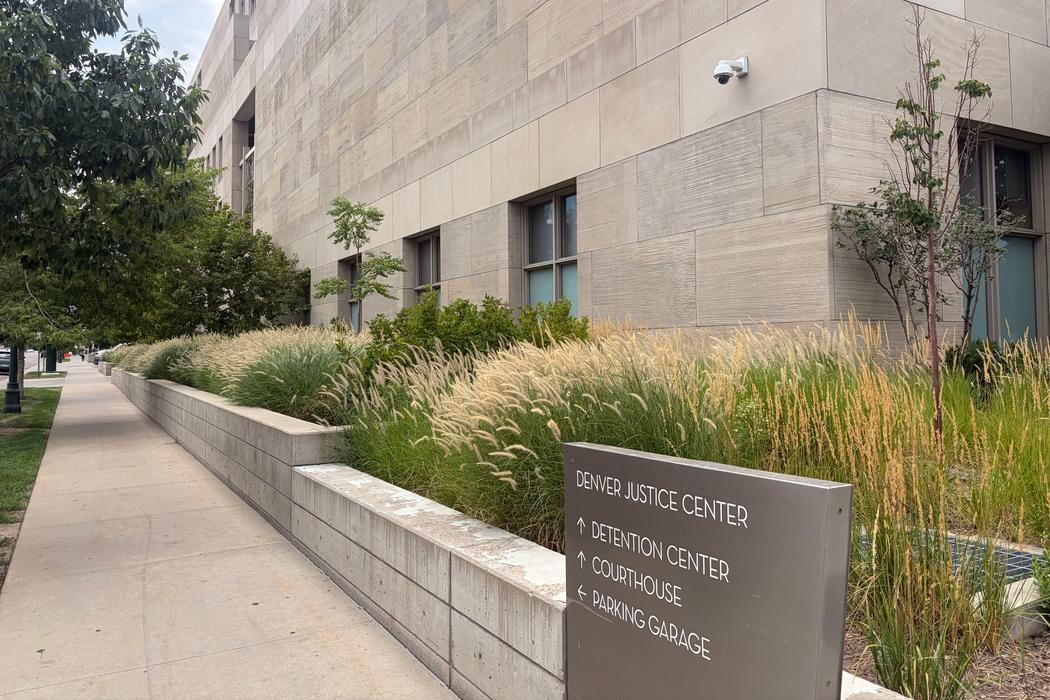
The Denver Justice Center, home to the Van Cise-Simonet Detention Center and the Lindsey-Flanigan Courthouse.
The Denver Police Department has a written procedure for DUI arrests. It’s in the department’s Operations Manual, and it tells officers what to do at each step, from the roadside to the breath test room. Colorado’s health department adds its own rules for how breath and blood tests must be done.
When an officer skips a step or a test doesn’t follow the rules, it can matter. I’m Monte Robbins, and I’ve defended DUI cases in Denver for more than 20 years. Here’s what the rules say, step by step, and what I check in every case.
Worth knowing before we start: a department policy isn’t the same as the law. Breaking a policy doesn’t automatically get a case dismissed. But many of these steps are also required by state rules, and any gap gives your defense something to work with.
Step 1: Roadside Maneuvers Are Voluntary
Under the DPD manual, if an officer suspects impairment, they offer the driver a chance to do voluntary roadside maneuvers, the standardized field sobriety tests. The manual says it plainly: refusing roadsides is not the same as refusing a blood or breath test.
If roadsides weren’t done and an arrest happened anyway, the officer is supposed to document why, such as an injury or a refusal, on the Sobriety Case Summary.
What I check: Was the driver actually told roadsides were voluntary? If they weren’t done, is the reason documented? If they were, were they given and scored the standardized way? See my roadside sobriety tests page.
Step 2: Choosing a Blood or Breath Test
After an arrest, the officer is supposed to ask whether you want a blood or breath test.
- Your choice: If you ask, you must be given the choice between a breath and a blood test. Colorado’s express consent law and the state testing rules both say so.
- No changing your mind: Under C.R.S. 42-4-1301.1(2)(a)(II), once you choose blood or breath, you can’t switch. Colorado courts have held that the officer has no discretion to let you change tests, and that the officer has a duty to give you the test you chose. The DPD manual says the same: the choice is irreversible.
- Finish what you choose: If you don’t take and complete the test you chose, or don’t cooperate with it, the law treats that as a refusal.
- When breath isn’t possible: If an injury, illness, or physical condition keeps you from doing a breath test, or you’re getting medical treatment somewhere without a certified breath instrument, the test must be blood.
- The two-hour window: You must cooperate so a sample can be taken within two hours of driving. If “extraordinary circumstances” keep your chosen test from happening in time, such as weather delays, high call volume for medical staff, a power outage, or a broken breath instrument, the officer must tell you and direct you to take the other test. Switching then isn’t a refusal, but refusing the other test is. Inconvenience, a busy workload, or routine delays don’t count as extraordinary.
- Drugs: If drugs are suspected, DPD requires a blood test, even if alcohol is suspected too. A Drug Recognition Expert (DRE) should be called when available.
- Refusal: If you refuse, the officer completes a Notice of Revocation and gives you a copy. See my DUI test refusal page.
Breath tests are given at an approved breath test facility. Blood tests are typically drawn at Denver Health.
What I check: Were you actually offered the choice? Were you steered toward one test? Did you ask for blood and get breath anyway? If the officer switched your test, were real extraordinary circumstances documented, and were you told about them? Colorado’s Supreme Court has held that denying a requested blood test without a good reason can violate a driver’s rights, and that “we were busy” may not be enough.
Step 3: The 20-Minute Observation Before a Breath Test
This is one of the most important steps, and both sets of rules require it.
The DPD manual says the officer must closely and continuously observe you for 20 minutes before the breath test, watching for any belching, regurgitation, or anything put in your mouth. If any of that happens, the 20 minutes start over.
Colorado’s health department rules go further. The 20-minute deprivation period must:
- Happen at the approved breath test facility
- Be done by a certified operator in active status
- Start only after any foreign material is removed from your mouth (anything not permanent)
- Keep you from putting anything in your mouth during the 20 minutes
- Be repeated if you belch, regurgitate, or put something in your mouth
The start time of the deprivation period is entered into the breath instrument.
What I check: Who did the observation, and were they certified and active? Was the officer actually watching, or doing paperwork? Was your mouth checked first? Does the start time make sense next to the rest of the timeline? Body cam video can often show whether the observation really happened the way the paperwork says.
Step 4: The Breath Test Itself
Colorado’s rules require two breath samples that agree with each other within 0.020. If they don’t, the instrument prints a “No .02 Agreement” message, and the operator must do a new 20-minute deprivation period before retesting. The same goes for an “Invalid Sample” message.
Under the DPD manual, you also sign a Breath Analysis Consent Form before the test. A result of 0.08 or more within two hours of driving is a DUI per se violation and triggers a Notice of Revocation.
What I check: The printout. Did both samples agree? Were there exception messages, and was the 20 minutes repeated before a retest? For more, see my post on Colorado DUI breath test rules.
Step 5: The Blood Draw
If you chose blood, or drugs were suspected, both sets of rules apply.
State rules require that blood be:
- Drawn by a qualified person, such as a physician, nurse, paramedic, EMT, or medical technologist
- Drawn in the presence of the arresting officer or another person who can authenticate it
- Drawn with sterile equipment, and the skin cleaned with a non-alcohol antiseptic
- Collected into two tubes with a preservative and anticoagulant
- Labeled with your name and an evidence seal
- Kept in secure storage, refrigerated if shipping is delayed more than 48 hours, and shipped within 7 days whenever possible
The DPD manual adds its own paperwork: a Blood Withdrawal Consent form listing who drew the blood, where on the body, the date and time, and the officer as witness.
Your second tube is yours to test. The lab must keep the second sample for at least 12 months, and must test it at a certified lab if you or your lawyer ask. See my page on Colorado DUI blood test results.
What I check: Who drew the blood and whether they were qualified. Whether the antiseptic was alcohol-based. Whether both tubes were filled and labeled. The chain of custody and how long the sample sat before shipping. Whether a retest of the second tube makes sense.
Step 6: After the Test
- Temporary license. After a breath test of 0.08 or more, or a refusal, the officer completes a Notice of Revocation and can issue a temporary permit. Your 7-day deadline to request a DMV hearing starts now. With a blood test, the notice usually comes later by mail.
- Jail, detox, or release. For a misdemeanor DUI, DPD can release you to a sober adult or send you to detox. Jail is for specific reasons in the manual, such as a prior DUI conviction, an outstanding warrant, combative behavior, or an identity question.
- Felony check. At processing, officers pull a nationwide driving history. Three or more prior DUI or DWAI convictions, at any time, means a felony investigative hold. See my post on how many DUIs is a felony in Colorado.
The Paperwork That Should Exist
A Denver DUI arrest should leave a paper trail. Depending on the case, that can include:
- Sobriety Case Summary (DPD 243)
- Breath Analysis Consent Form (DPD 14)
- Blood Withdrawal Consent form (DPD 6) and the toxicology request
- Notice of Revocation or Denial (DR 1576)
- The breath test printout or blood lab report
- Body-worn camera video, which often shows far more than the written report. See my page on Colorado body-worn camera evidence.
A missing form, a blank field, or a time that doesn’t line up is worth a question.
Frequently Asked Questions
Are roadside sobriety tests required in Denver? No. DPD’s own manual calls them voluntary, and refusing them is not a refusal of a blood or breath test.
Can I choose a blood test instead of a breath test? Yes. If you ask, Colorado rules require that you be given the choice. Once you choose, DPD treats the choice as final.
Can I change my mind after choosing blood or breath? Generally, no. Colorado law makes the choice final, and not completing the test you chose counts as a refusal. The exception is when extraordinary circumstances keep your chosen test from happening within two hours; then the officer must tell you and direct you to the other test.
What is the 20-minute observation period? Before a breath test, a certified operator must check your mouth and then keep you from eating, drinking, or putting anything in your mouth for 20 minutes, watching for belching or regurgitation. If any of that happens, the 20 minutes start over.
Can I have my blood retested? Yes. A second tube must be kept for at least 12 months and tested by a certified lab at your request.
Can you get a DUI on a bicycle in Denver? Yes. But under the DPD manual, a cyclist’s license isn’t revoked for refusing a test, and a bicycle DUI carries no license points.
Arrested for DUI in Denver?
Every step above is something I check. If you were arrested for DUI in Denver, call me at 303-355-5148 for a free consultation, and remember your 7-day DMV deadline. You’ll talk with me, not an intake team. Learn more on my Denver DUI lawyer page.