 Denver DUI Attorney Blog


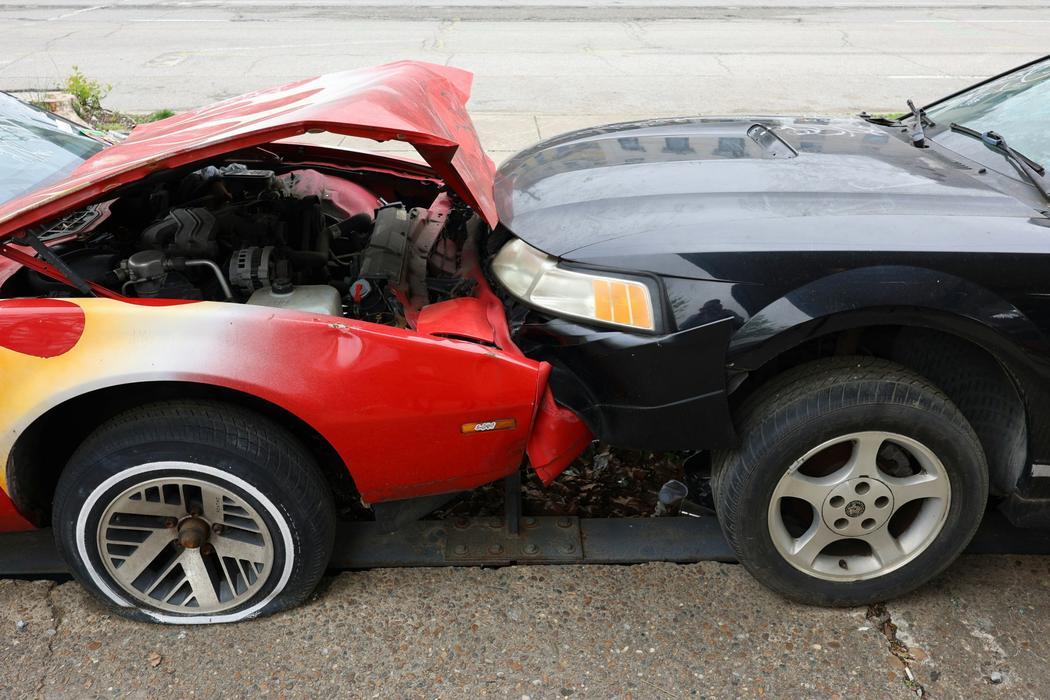
After a crash in Colorado, drivers must stop, exchange information, and report it to police.
After a minor crash, filing a report online seems like the easy way to check the box. Colorado even has an online crash report. The trap is thinking that report replaces calling the police. It doesn’t. Skipping the call can leave you facing a failure-to-report charge, or worse, a leaving-the-scene charge.
I’m Monte Robbins, a Denver traffic and criminal defense attorney with more than 20 years of experience. Here’s what Colorado law actually requires, and why the online report isn’t the shortcut it looks like.
What Colorado Law Requires After a Crash
If you’re involved in a crash in Colorado, you have three basic duties:
- Stop. Stop at the scene, or as close to it as safely possible.
- Exchange information. Give your name, address, and vehicle registration to the others involved, and show your driver’s license if asked. If anyone is hurt, give reasonable help.
- Report it to police. Colorado law requires drivers to report a crash immediately to the nearest police agency.
Denver’s own guidance says the same thing: in all cases, except when an Accident Alert has been declared, you must stop and report the crash by calling your local police station or 911.
Failing to report is a crime on its own, a class 2 misdemeanor traffic offense, even if someone else already called 911. See my Denver failure to report an accident page.
Accident Alerts are declared in bad weather or emergencies, when police can’t respond to every crash, and they apply only to crashes without injuries. Even during an alert, call 911. Denver’s own guidance is to call and let the dispatcher decide whether an officer will be sent. Then exchange information with the other driver and file a report as police direct.
What the Online Report Is, and What It Isn’t
The Colorado DMV’s online form, called a counter report, is for crashes where no officer came to the scene. It’s for record purposes only. A few things to know:
- No one investigates it. No law enforcement agency investigates an online counter report.
- It’s a records filing, not a police report. Denver police say they can’t give you a copy of a report submitted to the DMV.
- Getting a copy is a process. You need a signed release form (DR 2559) and a fee, and the DMV asks you to allow up to 90 days for crash records to be entered.
- It has a deadline. The online form only accepts crashes that happened within the last 60 days.
Denver police policy is clear on this too: online and counter reports are not a substitute when a police response is required.
The Trap: Thinking You Can Skip the Call and Report Online
Here’s where people get into trouble. After a fender bender, a driver assumes the crash is too minor for police, or that an Accident Alert must be in effect because the weather is bad. They exchange information, or don’t, drive off, and plan to file a report online later.
That online report doesn’t satisfy the duty to report the crash to police at the time. And if the driver left without doing everything the law requires, a later report doesn’t undo that:
- Reports are time-stamped. Denver police policy requires counter reports to be stamped with the date and time they were made, specifically to assist hit-and-run investigations.
- Hit-and-runs get investigated. In Denver, hit-and-runs with leads, such as a plate number, a witness, video, or an injury, are routed to the Traffic Investigations Unit for follow-up.
- The other driver may have already called it in. If they did, police may be looking for you.
Hit-and-runs are common in Denver. In the city’s own crash data for 2023 through 2025, about 37% of reported crashes were hit-and-runs, roughly 6,500 a year.
The safe rule: call police for every crash, period. Even if it’s minor. Even in bad weather when you think an Accident Alert is in place. Dispatch calls are recorded, so the call itself is a record that you reported the crash, which can potentially protect you from failure-to-report and leaving-the-scene charges. Then follow whatever police direct: if an officer is on the way, wait at the scene for them to arrive; if they say an Accident Alert is in effect, or tell you to file a counter report online, do exactly that.
If you already left the scene of a crash without reporting it, talk to a lawyer before you contact police or file anything. How you come forward matters.
Got a letter inviting you in for a “vehicle inspection”? That’s part of a criminal investigation. See my post on the Denver police hit-and-run investigation letter.
Leaving the Scene: The Penalties
Leaving the scene is charged based on how badly anyone was hurt:
- Property damage only: a misdemeanor traffic offense
- Injury: a class 1 misdemeanor traffic offense
- Serious bodily injury: a class 4 felony
- Death: a class 3 felony
For an injury crash, a conviction also means the DMV revokes your license. See my Denver hit-and-run defense page for more.
Police often charge several hit-and-run counts in one case, plus careless or reckless driving, and the points add up fast. More in my post on Denver hit-and-run charges.
What to Do After a Denver Crash
- Stop and make sure everyone is safe. Call 911 right away if anyone is hurt.
- Call police for every crash, even a minor one, even in bad weather. Let the dispatcher tell you whether an officer is coming.
- Exchange information with everyone involved: name, address, license, registration, and insurance.
- Take photos of the vehicles, the scene, and any damage.
- Follow police directions. If an officer is on the way, wait for them. If they say an Accident Alert is in effect or tell you to file a counter report online, do that.
- Stay until released. Don’t leave until police tell you that you can.
Frequently Asked Questions
Can I report a car accident in Denver online? You can file an online counter report with the Colorado DMV when no officer came to the scene. But it’s for records only, and it doesn’t replace calling police. Call first, then file online if police direct you to.
Do I have to call the police after a minor accident in Denver? Yes. The safest approach is to call for every crash. Then follow their instructions: wait for an officer if one is coming, or file a counter report if they direct you to.
What is an Accident Alert? It’s declared when weather or an emergency means police can’t respond to every crash, and it applies only to crashes without injuries. Even then, call 911 and let the dispatcher tell you what to do.
I left the scene. Should I file an online report now? Talk to a lawyer first. An online report doesn’t undo leaving the scene, and a late report is time-stamped and can be used in a hit-and-run investigation.
Is leaving the scene of an accident a felony in Colorado? It can be. Leaving the scene of a crash with serious bodily injury is a class 4 felony, and with a death, a class 3 felony.
Left the Scene, or Got a Call From a Detective?
If you’re facing a hit-and-run charge or a call from Denver’s Traffic Investigations Unit, call me at 303-355-5148 before you talk to anyone. You’ll talk with me, not an intake team. For other Denver traffic cases, see my Denver traffic lawyer page.